Published August 18, 2026 · Updated September 22, 2026
In short: At GHz frequencies, microns of inconsistency appear as return loss and VSWR problems that surface only at final test. Automate when you run high-volume 5G antennas, miniaturized coax such as SMA, SMB, 174, RG58 and GPS, or high-mix defense work needing documented process control. Shop on four things rather than brochure speed: repeatability around 0.01 mm, throughput against your takt time, force monitoring with MES export, and tooling built for your part family.
粘贴进模板; 替换为真实设备/同轴截面照片 -->RF Connector Automation: How to Choose the Right Equipment (2026 Guide)
A practical, no-fluff guide to automating SMA/SMB, 174/RG58 and coaxial connector assembly — when it pays off, the specs that actually matter, and how the main equipment types compare.
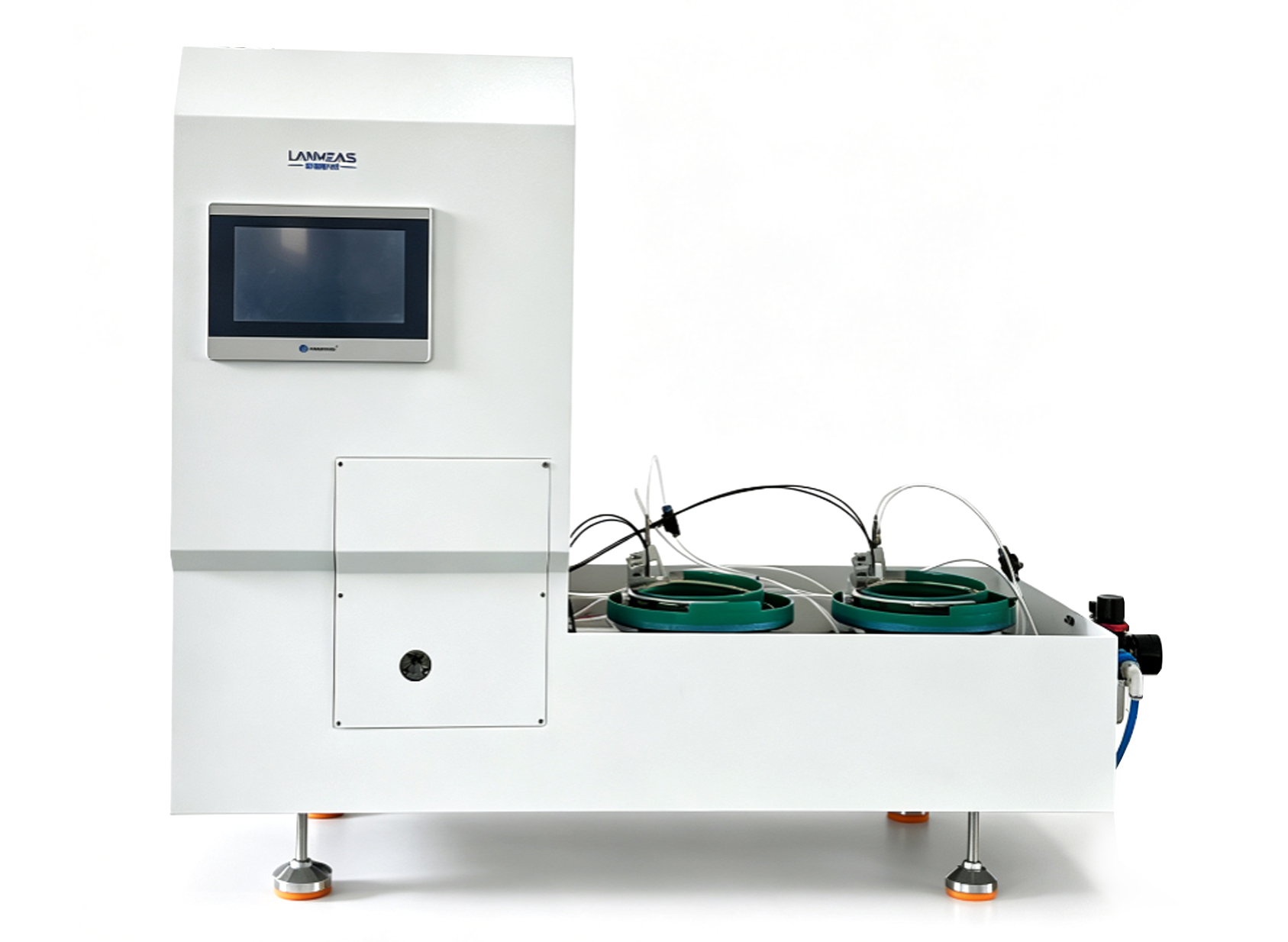
When RF Connector Automation Pays Off
High-frequency performance is unforgiving. At GHz frequencies, a few microns of crimp inconsistency or center-pin offset shows up as return loss and VSWR degradation — failures that often surface only at final test or in the field. Automation is worth it when any of these are true:
- High-volume 5G / telecom antennas where manual assembly cannot hold throughput or consistency.
- Miniaturized coax (SMA, SMB, 174, RG58, GPS) with tolerance windows too tight for hand work.
- High-mix, low-volume defense RF that still needs documented process control.
- Any program requiring traceability — per-cycle force curves and counts exported to MES.
Below a few hundred parts a month, manual or semi-automatic setups may still be the cheaper call. The break-even for full automation is typically reached once defect cost, rework and labor start to dominate unit economics.
The Specs That Actually Matter
Don't shop on brochure speed alone. For RF interconnects, prioritize:
- Repeatability (±0.01 mm class): servo + pressure-sensor control with stored, per-part recipes is the baseline for signal integrity.
- Throughput (pcs/h): match rated output to your takt time; real-world rate depends on feeding method and part complexity.
- Force monitoring + MES export: real-time crimp-force curves are what make defects visible and auditable.
- Changeover time: for high-mix shops, quick tooling changeovers protect floor-space and capital.
- Center-pin concentricity: for coax, concentricity of the riveted/welded center pin directly affects VSWR.
Common RF Connector Automation Equipment
| Process | Equipment | Typical throughput | Why it matters for RF |
|---|---|---|---|
| SMA/SMB antenna joining | ANT-15 SMA/SMB Assembly Machine | 500–600 pcs/h | Multi-station cell stabilizes fit and alignment for consistent RF performance |
| Coax center-pin joining | LP-CR174 174/RG58 Riveter | 500–800 pcs/h | Closed-loop force riveting controls concentricity and contact resistance |
| Solder-based center pins | Center-Pin Welding Machine | cell-dependent | Precise solder control cuts cold-joint and rework rates on SMA/178 pins |
| RF wire-harness crimping | LP-MC2024 Twist-Pin Crimper | up to 1200 pcs/h | Force-sensored crimping with MES export for full traceability |
A Practical Selection Checklist
- Define the connector families (SMA, SMB, 174, RG58, GPS, twist-pin) and volumes per family.
- Set your tolerance window and confirm the machine holds ±0.01 mm repeatability.
- Confirm force monitoring + MES / OPC-UA export for your traceability requirement.
- Estimate changeover frequency; pick quick-change tooling for high-mix.
- Validate with a sample or drawing — request a per-part recipe and a trial output.
- Check footprint, utilities and integration with your existing line.
Mistakes to Avoid
- Buying on peak speed instead of sustained rate with your real feeding method.
- Ignoring MES export until the audit arrives — retrofitting traceability is painful.
- Treating center-pin concentricity as cosmetic; for coax it is a performance parameter.
- Under-specifying changeover, which strands capacity on high-mix lines.
Frequently Asked Questions
- Which RF connectors can be automated?
- SMA, RP-SMA, SMB, BNC, TNC and 174/RG58 coax lines, using center-pin riveting or welding plus automated assembly and inspection.
- When does RF connector automation pay off?
- At steady medium-to-high volumes where labor cost, defect rates and traceability requirements justify the cell investment.
- What RF connector automation equipment types exist?
- Center-pin riveting or welding machines, automatic assembly machines (e.g. Lanneas ANT-15), and integrated cells with machine-vision inspection.
RF Connector Automation: How to Choose the Right Equipment (2026 Guide) — FAQ
When does RF connector automation pay off?+
Which specification matters most for RF work?+
Why is force monitoring important for coax assembly?+
What are the most expensive mistakes when buying?+
Should low-volume RF production be automated?+
Related reading
SMA Automatic Assembly Equipment Explained
A plain look at automatic SMA assembly equipment: how it runs, why shops use it, and the automotive, electronics, and co
RF Antenna Assembly Automation: From Coaxial Cable to SMA Connector Resources
How automated lines assemble SMA, SMB and GPS antennas from coaxial cable to finished product.
Extending a Twist-Pin Connector: Filtering, Coaxial and Air-Path Options
How C-type or pi-type filtering, coaxial contacts below 1 GHz and a 300 bar air path are added to a twist-pin micro-conn
Center-Pin Welder
An automatic soldering machine for RG58, SMA and 178 antenna makers. It solves the core problems of unstable solder volu