
Two wires crimped in parallel to loose terminals
Semi-Auto Dual-Wire Parallel Crimping Machine (Loose Terminal) in one sentence: The LP-DC2010 crimps two wires side by side into a loose-piece terminal in a single stroke, which removes the offset and variation that hand crimping small dual-wire terminals produces. Force is monitored per stroke, and the compact footprint suits a bench or an existing line.
.jpg)
The LP-DC2010 crimps two wires in parallel into loose (loose-piece) terminals in a single stroke, improving consistency over manual crimping and cutting scrap on high-mix harness work.
Typical applications: Automotive Electronics · New Energy
Talk to an Engineer →It is semi-automatic, so an operator feeds every part and output stays below a fully automatic cell. It is limited to about 0.12 to 0.3 mm² and single-orientation loose terminals, and it will not handle reeled terminals without a feeding option.
| Parameter | Value | Unit | Test condition |
|---|---|---|---|
| Wires per stroke | 2 | parallel wires | Into one loose-piece terminal |
| Wire range | 0.12-0.3 | mm² | For parallel dual-wire crimping |
| Operation mode | Semi-automatic | Manual feeding, machine-controlled stroke | |
| Force monitoring | Monitored crimp force | Per stroke, with reject on deviation | |
| Change-over | Quick terminal type change | Within supported loose terminal families | |
| Footprint | Bench or inline | Compact machine body |
| Model | Key specifications | Positioning |
|---|---|---|
| LP-DC2010 | 2 wires, 0.12-0.3 mm², semi-automatic | Dual-wire terminations where an operator feeds each part |
| LP-MC2024 | ±0.01 mm, closed-loop force, MES export | Twist-pin contacts needing full force-curve proof |
| LP-WC2024 | ±0.01 mm servo force, per-part data | Single-wire termination onto twist-pin contacts |
| MOQ | 1 set | ||
|---|---|---|---|
| Lead time | Confirmed per order, depends on configuration | ||
| Availability | InStock | ||
| Quote terms | Written quotation within 24 working hours | ||
| Certifications | CE | ||
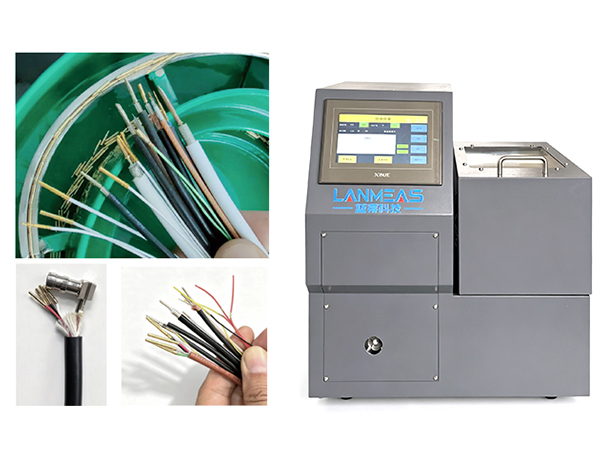
A twist-pin crimping machine for 0.12–0.2 mm² wire, built for micro-rectangular connector makers. It solves the producti

Lanneas crimping machines deliver consistent pull-off force, 99%+ yield and stable high-speed production for terminals,

When a standard machine cannot fit your part, Lanneas designs and builds custom wire harness equipment around your produ
| Wires | 2 parallel |
|---|---|
| Terminal type | loose / loose-piece |
| Crimp force | monitored |
| Throughput | ~800 pcs/h |
| Footprint | bench / line |
| Change-over | quick |
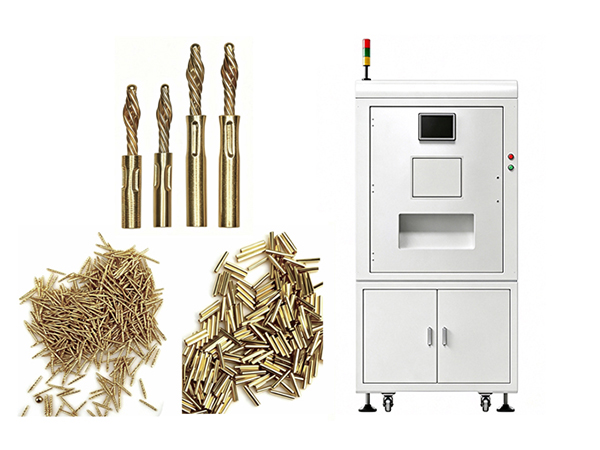
High-accuracy servo crimping for micro-rectangular twist-pin connectors
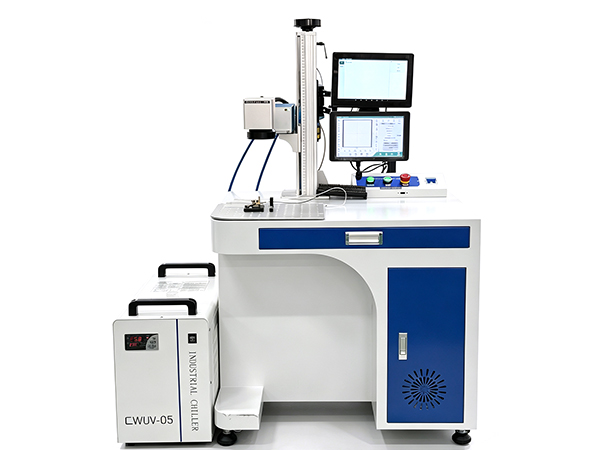
100% in-line wire-sequence verification with automatic marking
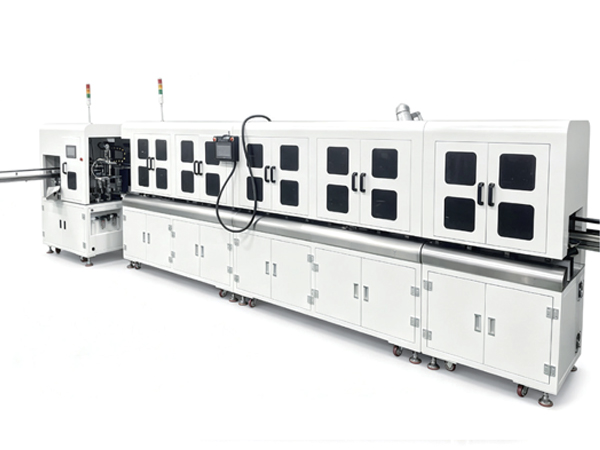
15-station one-operator antenna assembly cell
Share your sample or drawing, target throughput and quality standard — we reply within one business day.
Request a Quote →Connector and wire-harness production lives or dies on repeatability. Manual crimping and bench assembly introduce operator-to-operator variation, scattered process steps and rework that only surface at final test. The Semi-Auto Dual-Wire Parallel Crimping Machine (Loose Terminal) concentrates crimping equipment into a controlled, data-logging station so quality is built in, not inspected in.
It is most often specified for Automotive Electronics, New Energy, where unstable accuracy, high scrap and slow delivery are the recurring pain points. Because recipes and process data are digitized, the same machine scales from low-volume, high-mix programs to high-volume production without re-engineering the cell.