October 7, 2026
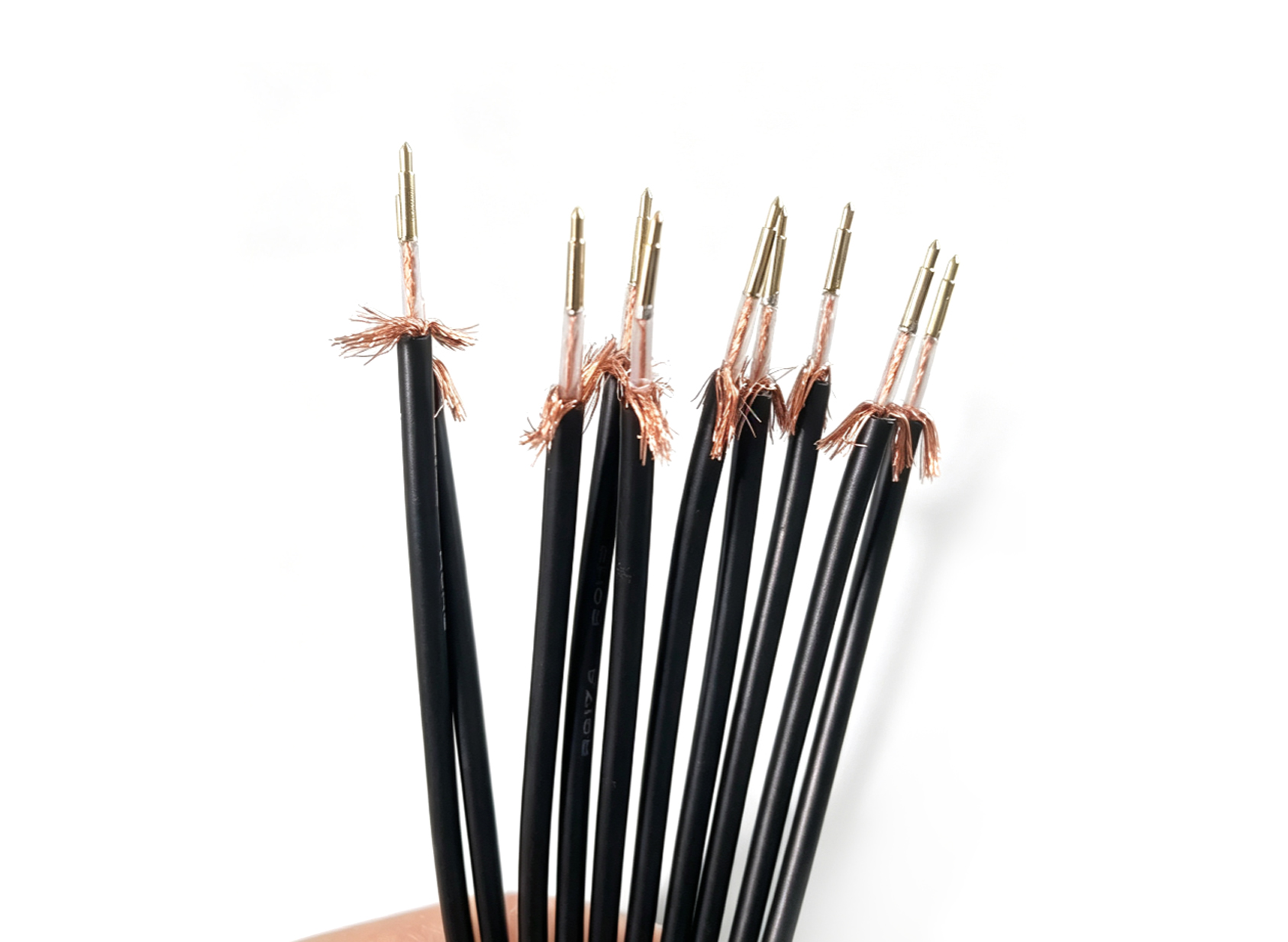
Twisted Pin Crimping Equipment: Manual, Semi-Auto, or Auto?
Twisted pin crimping equipment in manual, semi-automatic, and automatic tiers. Compare cycle rate, Cpk, wire size, and the die checks that prevent returns.
Read article →
Practical guides, application notes and company updates on connector crimping, RF automation and wire-harness manufacturing.
Twisted pin crimping equipment in manual, semi-automatic, and automatic tiers. Compare cycle rate, Cpk, wire size, and the die checks that prevent returns.
Read article →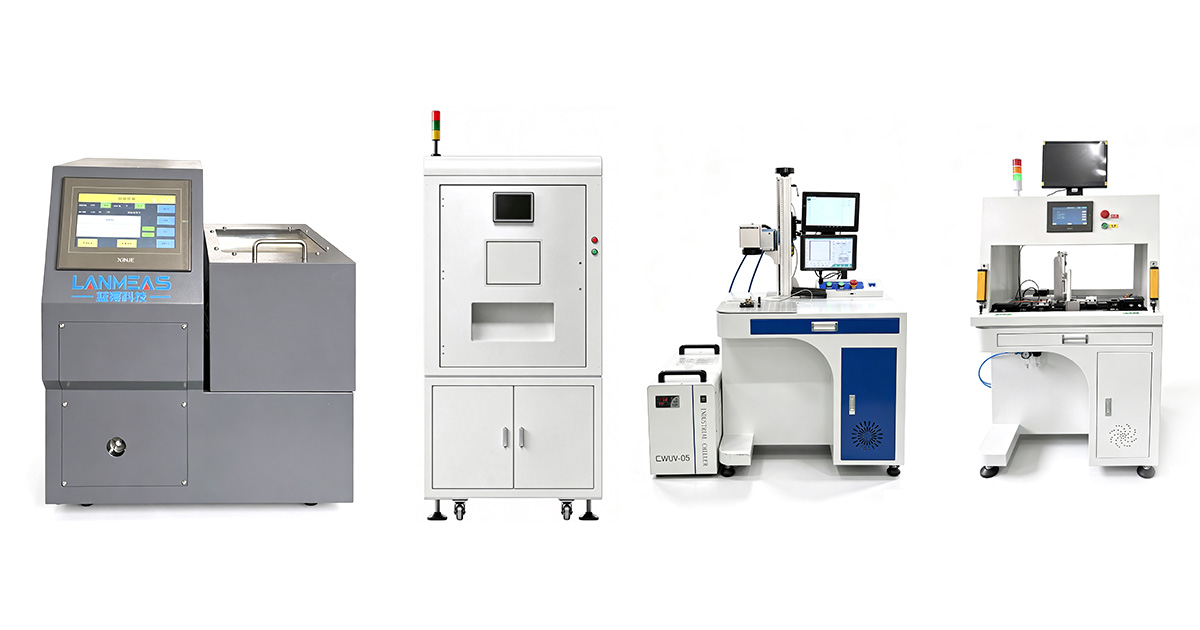
A 12-year process engineer shares real on-line test data from replacing manual pliers with a stranded-wire pin crimping machine—defect rates, cycle time, and a 2026 buying checklist.
Read article →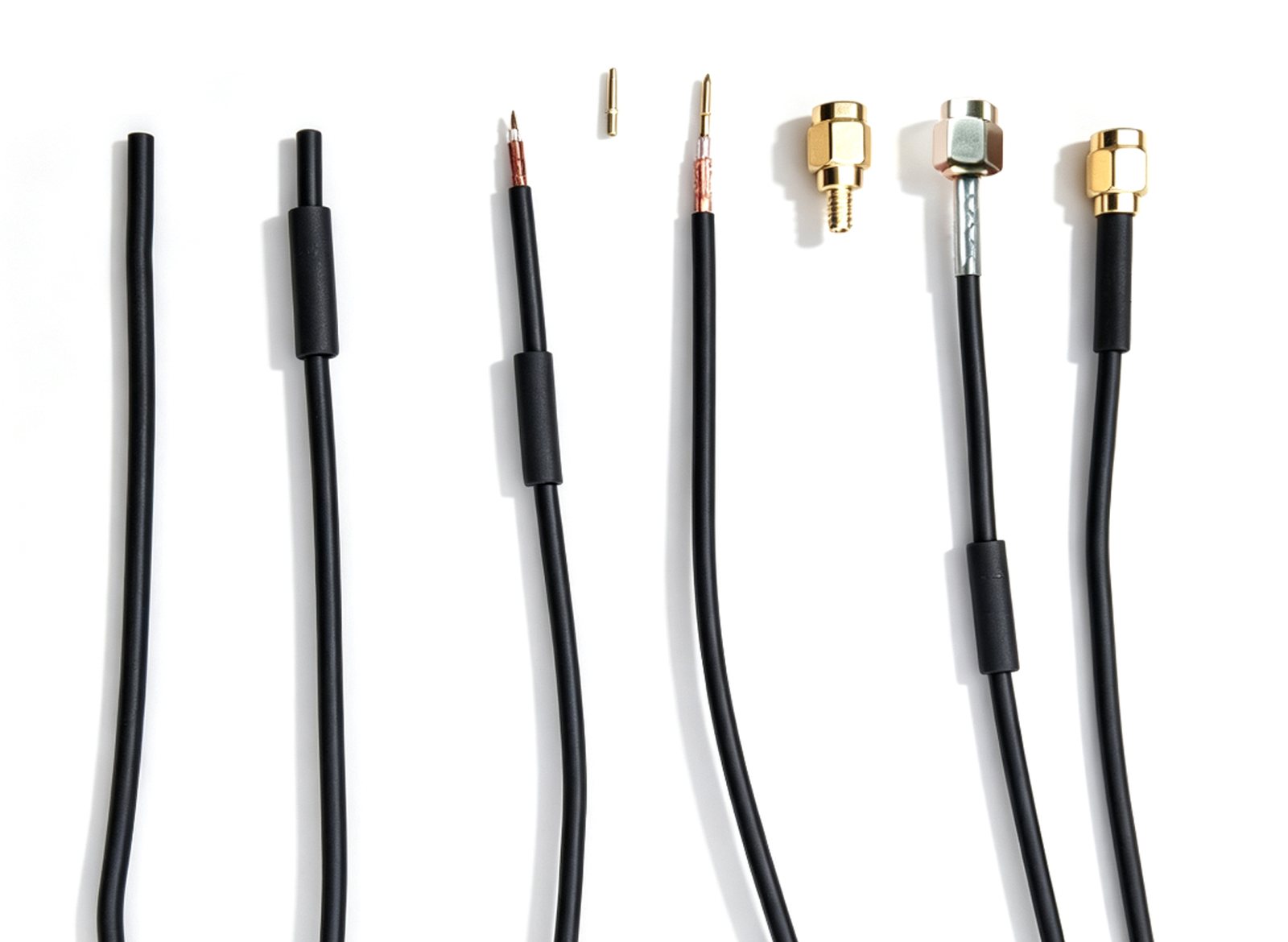
How C-type or pi-type filtering, coaxial contacts below 1 GHz and a 300 bar air path are added to a twist-pin micro-connector platform without changing the shell, plus the contact-to-wire joint that decides whether the extension performs.
Read article →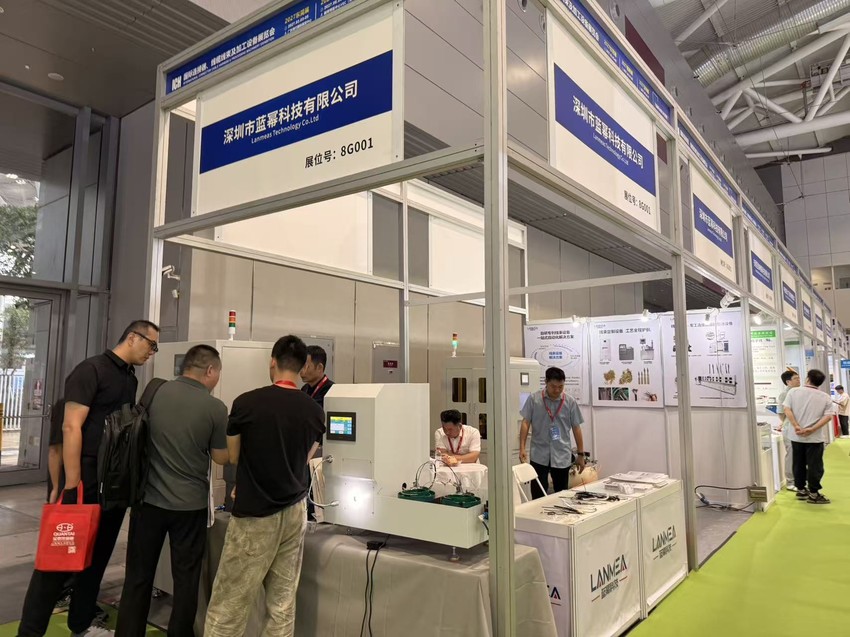
From August 26 to 28, 2026, Shenzhen Lanneas Automation Equipment Co., Ltd. exhibited at ICH 2026 Shenzhen at Booth 8G001, showcasing precision RF and military connector automation equipment - twisted-pin riveting machines, antenna center-pin riveters, wire-spring socket crimping equipment and J30J wire-sequence detection machines.
Read article →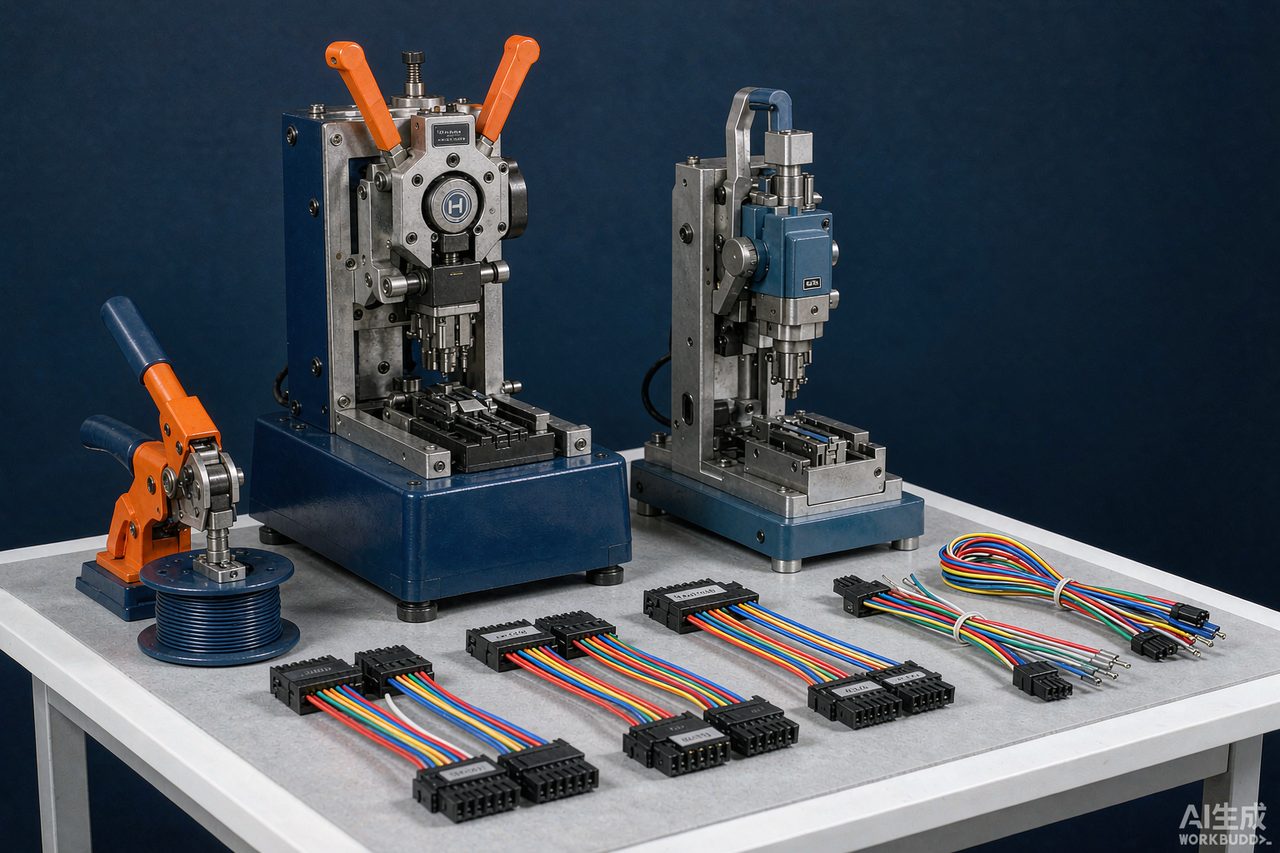
Selecting wire harness crimping equipment comes down to matching the machine's capability to three variables: the terminal and wire specifications you proce
Read article →
Shenzhen Lanneas Technology Co., Ltd. showcases self-developed patented equipment at ICH 2026 Shenzhen International Connector Exhibition, August 26-28, 2026. Booth 8G001. Visit us!
Read article →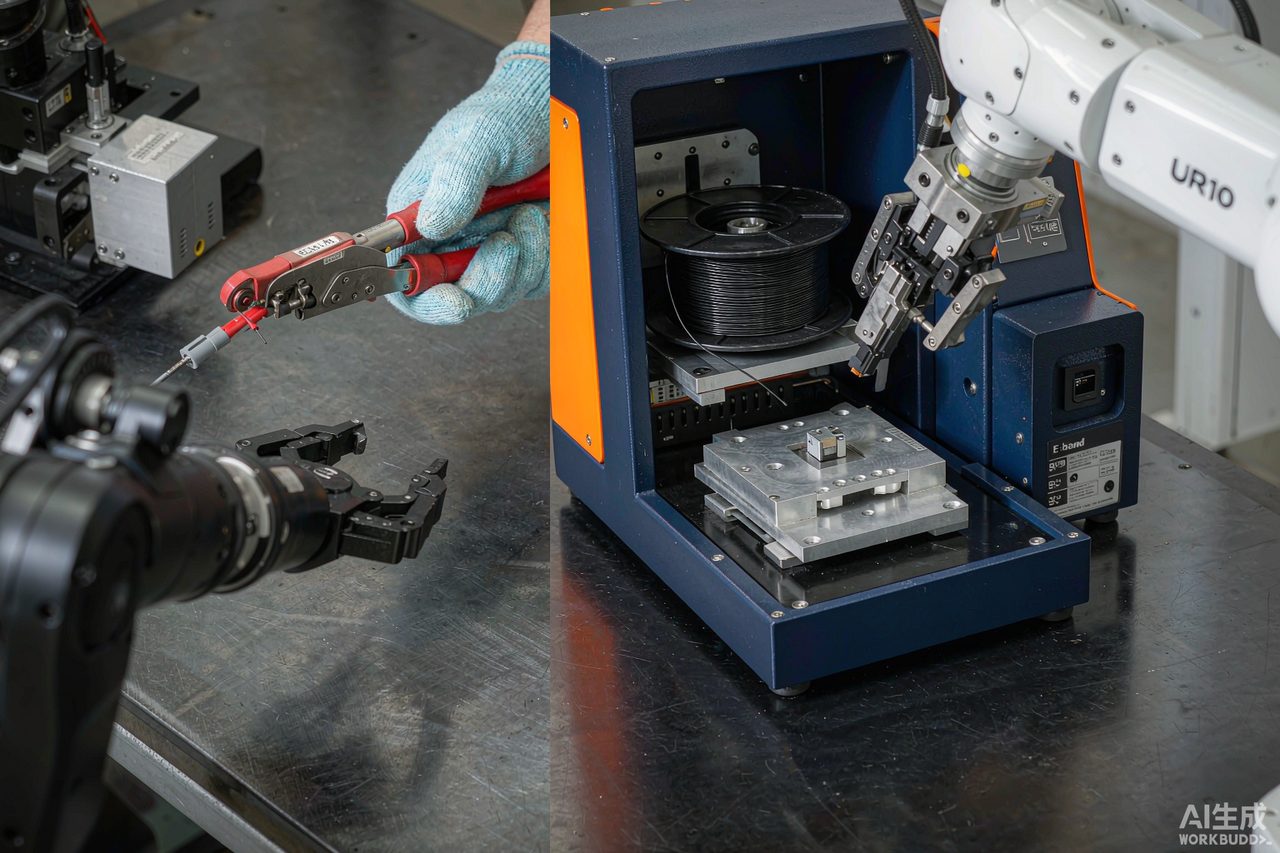
Should you keep crimping by hand or move to automated cells? This side-by-side compares labor, defect rates and traceability, then runs an illustrative ROI for a 50,000-connector/month line.
Read article →
A practical, no-fluff guide to automating SMA/SMB, 174/RG58 and coaxial connector assembly — when it pays off, the specs that actually matter, and how the main equipment types compare.
Read article →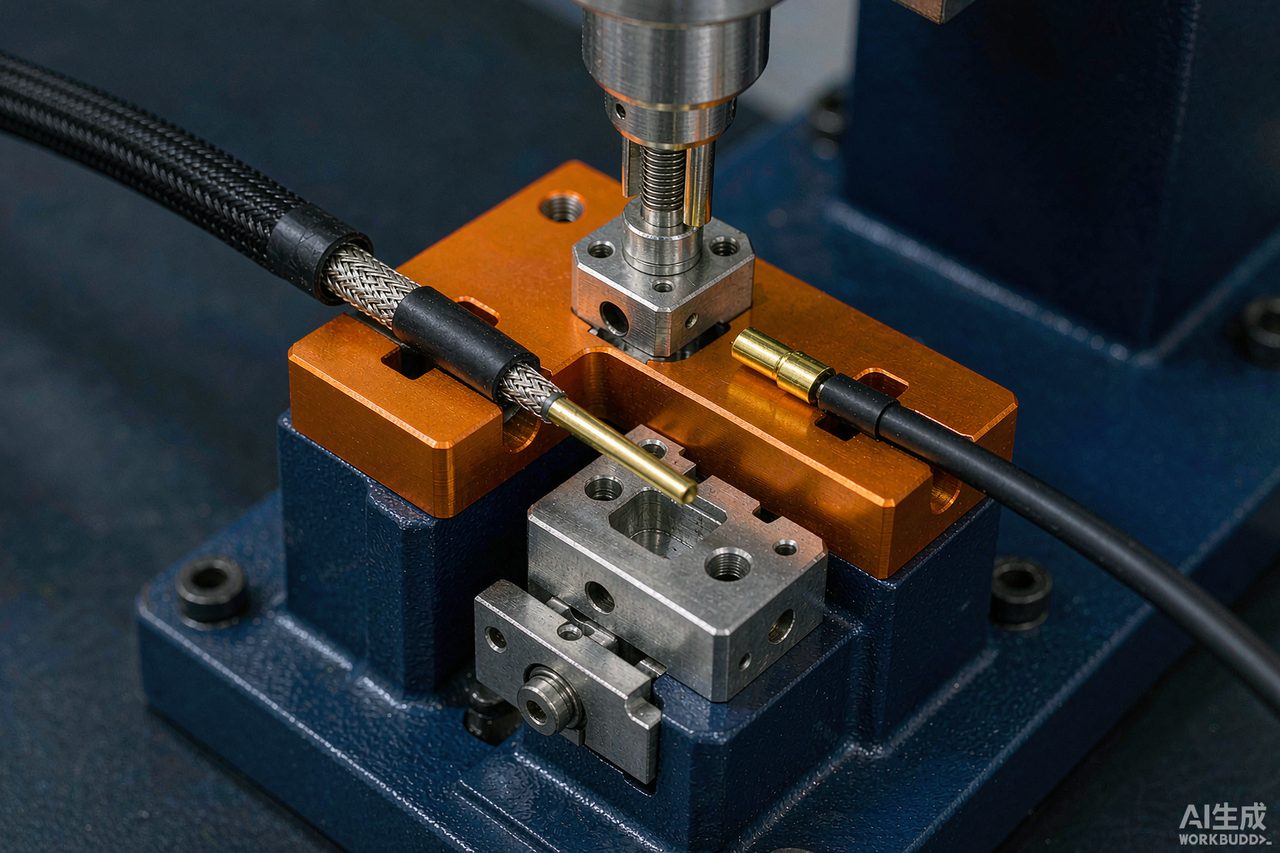
The new riveter targets center-pin joining for 174 and RG58 coax lines, with force monitoring and quick tooling changeovers.
Read article →
Remote commissioning, sample evaluation and on-site training are now available for overseas connector and harness manufacturers.
Read article →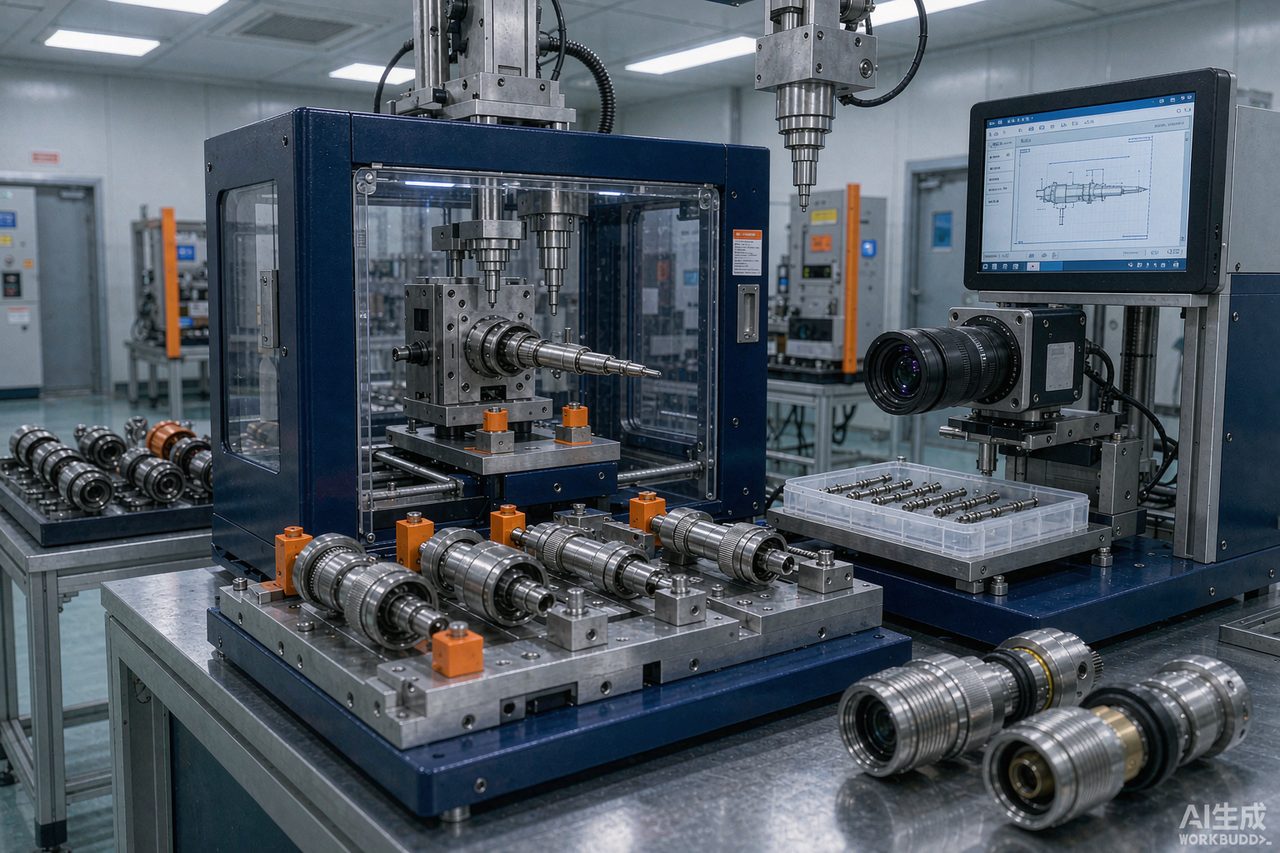
The first European delivery includes twist-pin crimping, retention testing and vision inspection in a single GJB-oriented cell.
Read article →Types, working principles, key parameters and buying advice for wire harness crimping machines.
Read article →A practical comparison of the three most common automotive wire harness crimping standards.
Read article →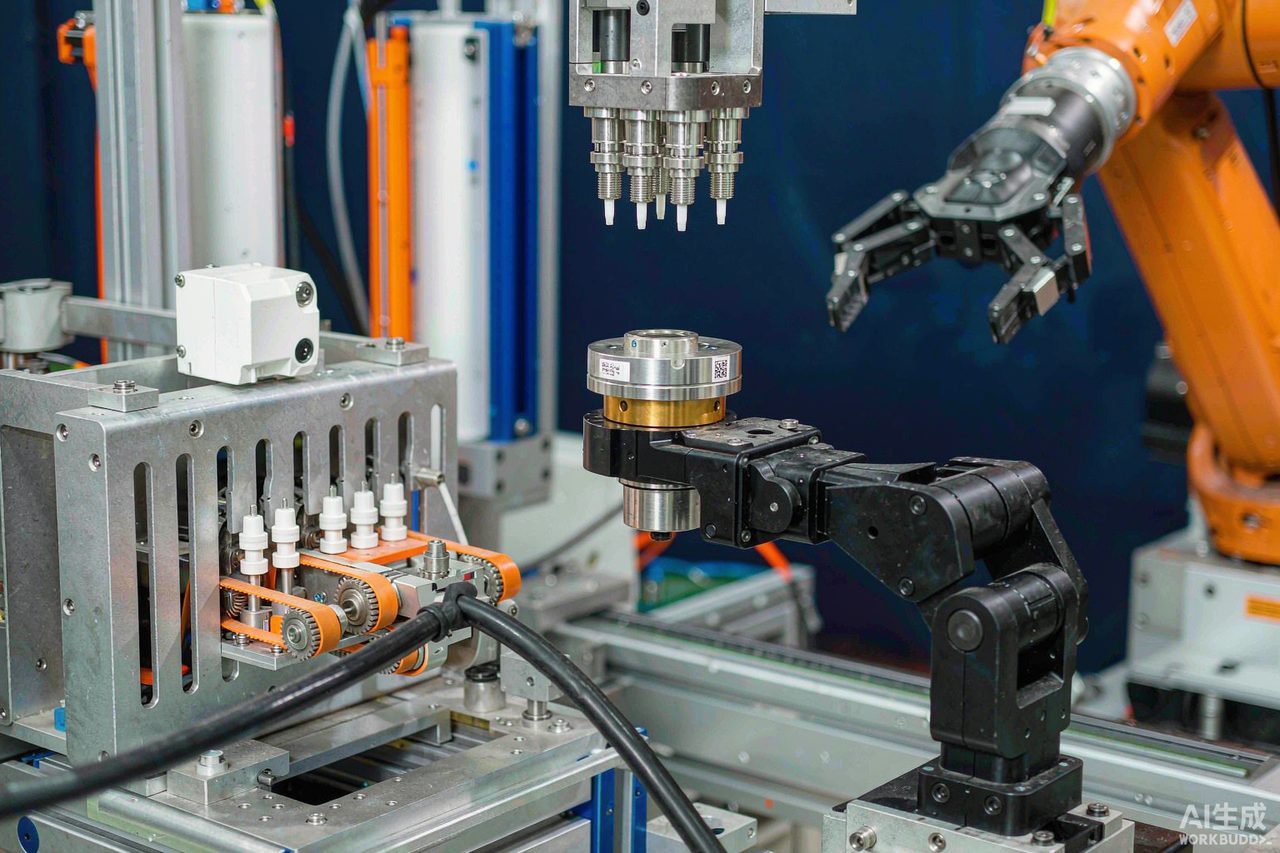
A plain look at automatic SMA assembly equipment: how it runs, why shops use it, and the automotive, electronics, and communications work it supports.
Read article →Seven practical questions to evaluate a wire harness equipment supplier before buying.
Read article →Differences between twist pin and standard terminal crimping, and why CCD inspection matters.
Read article →How automated lines assemble SMA, SMB and GPS antennas from coaxial cable to finished product.
Read article →How vision detection and laser marking prevent wire sequence errors in high-reliability harnesses.
Read article →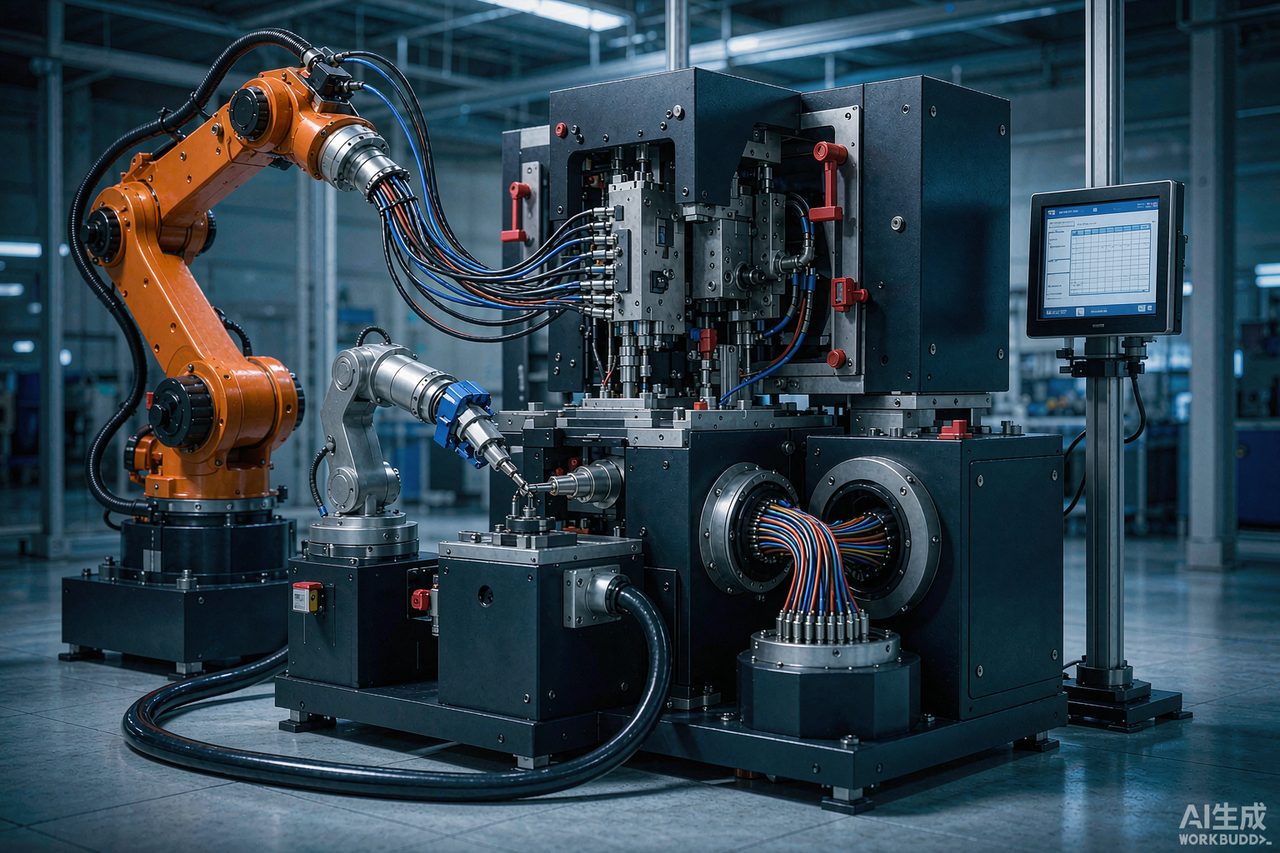
How automated crimping and bundling turn loose wires into tidy, reliable harnesses, and why shops are moving to it.
Read article →